The Insect That Is Always There
Chironomids make up 40–60% of a reservoir trout's annual diet. Not in a good year — every year.
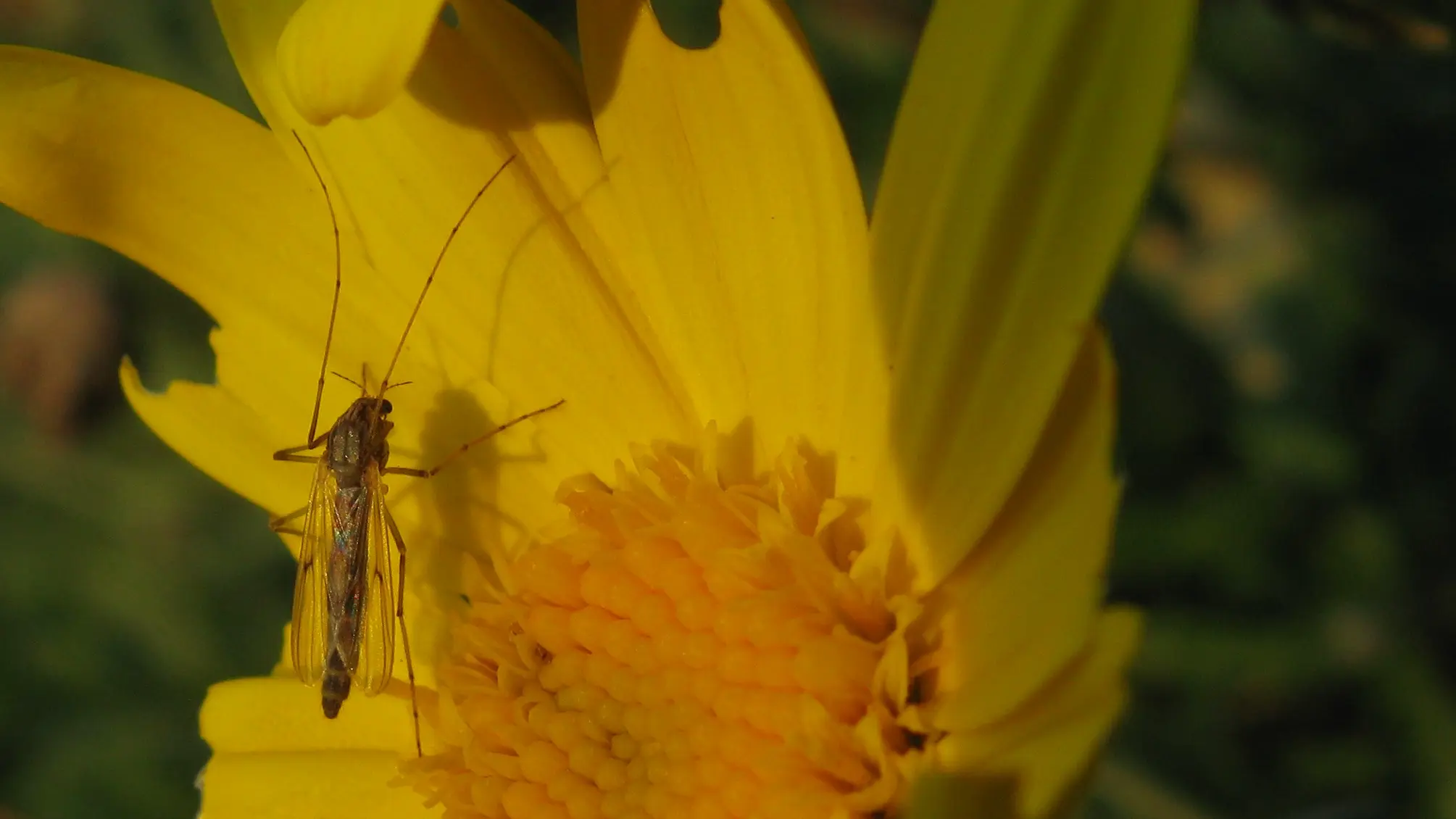
If you fish stillwaters and you do not understand buzzers, you are fishing blind for most of the season. Chironomidae — the non-biting midges, the buzzers, the lake flies — are the most abundant aquatic insects in British and Irish standing water. They are present in every month of the year. They hatch from every depth. They colonise every substrate from soft mud to gravel margins. Autopsy studies on reservoir trout consistently show chironomid pupae and larvae comprising 40–60% of gut contents, and in spring that figure can reach 80%. No other food form comes close.
There are over 600 species of chironomid in the British Isles alone. They range from hook size 22 — barely visible on the water — to the great duck flies of Irish loughs at size 10, fat and dark and unmistakable. They hatch in water from 4°C to 22°C. They hatch in March snowstorms and August heatwaves. They hatch at dawn, at dusk, and at every hour in between. The buzzer is not a seasonal event. It is the permanent background radiation of stillwater fishing, and the angler who learns to fish it properly will catch trout when everyone around them is staring at an apparently lifeless lake.
Four Acts in the Mud
Egg, larva, pupa, adult — the chironomid lifecycle plays out almost entirely on the lake bed, invisible to the angler, until the one moment that matters.
The lifecycle begins with eggs laid on the water surface in gelatinous rafts or strings. They sink to the bottom and hatch into larvae — the bloodworms. The name is accurate. Many chironomid larvae contain haemoglobin, the same oxygen-carrying molecule in your blood, and for the same reason: the lake bed is often oxygen-poor, especially in summer when thermal stratification seals warm, stagnant water over cold, depleted hypolimnion. The haemoglobin lets the larvae survive in conditions that would suffocate most other aquatic insects. It also turns them vivid red.
Bloodworm larvae live in tubes of silk and detritus on the lake bed, feeding on organic matter, algae, and bacterial films. Some species are planktonic. Most are benthic — bottom dwellers, burrowed into the silt, invisible to the angler but not to the trout. Fish that root along the bottom in winter are often eating bloodworm. A deep-fished red larva pattern, barely moving, is one of the most reliable winter tactics on commercial stillwaters.
Pupation happens inside the larval tube. The pupa develops over days, its thorax swelling with the gas that will carry it to the surface. When ready, it breaks free of the tube, wriggles upward through the water column, and begins the long, slow, dangerous ascent to the surface film. This ascent — from lake bed to air — is the defining moment of chironomid fishing. It can take minutes. It can take an hour. And every second of it, the pupa is available to every trout in the water column.
Trapped in the Film
The pupa reaches the surface and cannot break through. It hangs in the meniscus, thorax pressed against the underside of the world. The trout know.
The critical moment — the moment that built an entire school of stillwater fly fishing — is the hang. The chironomid pupa reaches the surface film and stops. It cannot break through immediately. It hangs vertically, head pressed against the underside of the meniscus, abdomen dangling into the water below. Gas accumulates beneath the thoracic skin. The pupal shuck splits along the thorax. The adult midge crawls out, sits briefly on the surface, and flies. The whole process takes seconds to minutes — but the hang can last much longer.
During the hang, the pupa is motionless, helpless, and perfectly positioned for interception. Trout learn this quickly. A fish cruising at two feet below the surface encounters a vertical pupa hanging from the film and takes it with a gentle sip — often so subtle that the only visible sign is a slight dimple or a momentary bulge in the water. This is why buzzer fishing demands concentration and fine indicators. The take is not a yank. It is a pause, a tightening, a gentle draw. Miss it and you miss the fish.
The practical consequence is the most important single technique in British stillwater fly fishing: the static buzzer under a sight indicator. Two or three buzzer pupae on droppers, set at different depths, suspended beneath a small foam or yarn indicator, cast out and left to sit. The flies hang vertically in the water column — exactly as the natural does. The angler watches the indicator for any movement that is not wind or drift. It is not exciting. It is not elegant. It catches more trout on British stillwaters than every other method combined.
The Colour Wheel
Black in spring, olive in early summer, red and orange in high summer, black again in autumn — the buzzer changes colour with the calendar.
One of the quietly beautiful things about chironomids is how their colour shifts through the season, tracking species succession and thermal triggers. The first buzzers of spring — February and March, water barely above 4°C — are small and dark. Black buzzer, size 14–16, fished deep and slow. These early hatches are sparse but the trout are hungry after winter, and a black buzzer fished on a long leader in cold water can produce extraordinary sport on days when nothing else moves.
As water warms through April and May (8–14°C), the species composition shifts. Olive and green buzzers appear — size 12–14, the classic spring hatch that fills the air above reservoirs with clouds of dancing midges. This is peak buzzer season on most English reservoirs. Grafham, Rutland, Pitsford, Draycote — the spring buzzer hatch is the event that defines the opening weeks. Fish the olives on intermediate or midge-tip lines, slow figure-of-eight retrieve, or static under an indicator at 4–8 feet.
High summer brings the warm-water specialists. Red, orange, and ginger buzzers — size 10–14, reflecting the haemoglobin-rich species that thrive in the warm, oxygen-depleted conditions of a stratified lake. These hatch in the margins, often in the evening, sometimes in staggering numbers. By September the cycle begins to close: dark olives and blacks return as water cools, and the autumn buzzer fishing can be as good as spring — better, sometimes, because the fish are feeding hard before winter.
The Duck Fly
On Irish loughs in spring, the buzzers grow to size 10 and hatch in clouds so dense they coat the boat. The locals call them duck flies.
The duck fly (Bibio pomonae — actually a different Diptera family, but in Irish lough tradition the term covers the large dark chironomids too) represents the biggest and most spectacular buzzer hatches in these islands. On lakes like Sheelin, Corrib, and Mask, April brings hatches of large dark chironomids — size 10–12, almost black, emerging in such density that boats drift through clouds of them. The trout respond with sustained, visible, aggressive surface feeding.
This is the hatch that bridges the gap between buzzer fishing and dry-fly fishing. The pupae are large enough to fish on size 10 hooks. The emergers sit in the film long enough for trout to sip them confidently. And when the adults are on the water in numbers, a Bibio or Claret Bumble fished on the top dropper of a wet-fly team will draw savage takes from fish that have been feeding all morning. The duck fly season on Irish limestone loughs is short — three weeks, sometimes four — but it is one of the great events in European fly fishing.
How the Buzzer Conquered the Commercial Fishery
Stocked rainbow trout in a five-acre lake learn to eat buzzers within days of being introduced. The food is everywhere. The method is simple. The results are reliable.
The rise of the buzzer as the dominant commercial stillwater method is not an accident of fashion — it is an inevitability of ecology. A stocked trout fishery is, at its simplest, a managed pond. The water is typically nutrient-rich (eutrophic), relatively shallow, and warm enough to support massive chironomid populations year-round. Bloodworm larvae carpet the silt. Pupae ascend daily. The food supply is vast, predictable, and requires no special habitat — no gravel riffles, no fast water, no overhanging trees. Just water, silt, and warmth.
Rainbow trout — the backbone of British commercial fisheries — are generalist feeders with an extraordinary ability to learn new food sources quickly. A rainbow stocked from a farm pellet-fed environment will begin eating chironomid pupae within 48 hours. Within a week it is selectively feeding on them in preference to almost everything else. The buzzer becomes the default food, and the angler who can present an imitation at the right depth, at the right speed, catches fish consistently.
This is why the buzzer rig — three flies on droppers, under an indicator, fished static or with an agonisingly slow retrieve — dominates small stillwater competition fishing and day-ticket catch returns across Britain and Ireland. It is not fashionable. It does not photograph well. Purists may prefer the dry fly or the lure. But on any given day on any stocked stillwater in these islands, the angler fishing buzzers at the right depth will outfish the field. The insect is always there, the trout are always eating it, and the method — once learned — is devastatingly consistent.
Daddy Longlegs
Tipulidae — the crane flies — are terrestrials that arrive on the water by accident, and the trout treat them like a gift.
The daddy longlegs (Tipula spp.) is not aquatic. It is a terrestrial Diptera — a true fly that lives its larval stage as a leatherjacket in grassland soil. The adults emerge in late summer and autumn, August through October, and on windy days they are blown onto the water in numbers that can trigger frenzied surface feeding. A daddy longlegs on a lake surface is a large, struggling, conspicuous insect that no trout can resist. Those trailing legs kick and twitch in the film. The trout slash at them.
Daddy longlegs fishing is one of the great pleasures of autumn stillwater fly fishing. A foam-bodied Daddy pattern, size 10–12, fished on a floating line with a long leader and twitched occasionally on the surface, is visual, exciting, and effective. On reservoirs and loughs in September, when a westerly wind is pushing daddies off the grass margins onto the water, the fishing can be extraordinary. It works on rivers too — trout on the Usk and the Welsh Dee will take a well-presented Daddy with conviction.
The Hawthorn Fly and the Black Gnat
Two small black flies that appear at opposite ends of spring, each capable of triggering the kind of selective surface feeding that makes you wish you carried more size 14 dries.
The hawthorn fly (Bibio marci) is the herald of late April. It appears, as the name suggests, when the hawthorn blossom opens — a neat phenological marker that any observant angler can use. The adults are black, size 12–14, with long trailing rear legs that hang conspicuously in flight. They swarm over bankside vegetation and are blown onto the water by any breeze. When they land, those dangling legs trap them in the surface film. Trout, emerging from the lean weeks of early spring, take them eagerly.
The black gnat (Bibio johannis and related species) follows from May onward, smaller — size 16–18 — and present in enormous numbers on warm, still days. Black gnats swarm over the water itself, and spent individuals fall onto the surface in a thin, difficult-to-see scatter. Trout feeding on black gnat can be infuriatingly selective — rising steadily, refusing anything that is not tiny, black, and flush in the film. A sparse Black Gnat dry on a 6X tippet, dead-drift, is the only reliable answer. It is one of the great tests of presentation in stillwater dry-fly fishing.
Both of these are Bibionidae — March flies — rather than Chironomidae, but they are Diptera nonetheless, and the angler who carries a few Hawthorn and Black Gnat patterns in sizes 14–18 will find uses for them from April through September.
The Ones Nobody Talks About
Simuliidae, the blackflies, are tiny, aquatic, and present in every fast river in Europe. Trout eat them constantly. Almost nobody imitates them.
Blackflies (Simulium spp.) are the forgotten Diptera of river fishing. Their larvae colonise rocks in fast, well-oxygenated water — the same habitat as the best mayfly and stonefly nymphs — where they attach by a silk pad and filter food from the current with cephalic fans. They are tiny (2–5mm), dark, and numerous beyond counting. On some rivers they are the most abundant aquatic insect by biomass.
The pupae are equally small, enclosed in a silk cocoon on the rock surface. When the adult emerges, it rises to the surface in a bubble of gas — a miniature version of the caddis ascent. Trout in fast water take blackfly pupae and adults steadily, especially in the riffles where the larvae are densest. The problem for the angler is size: a realistic blackfly imitation would be size 20–24, which is below the practical threshold for most river fishing. But a small black spider pattern — size 16–18, sparse, fished in the film on a dead drift — will take fish that are feeding on blackflies when nothing else seems to be hatching.
The heather fly (Bibio pomonae) deserves a mention too. Present on upland moors from July through September, it is blown onto hill lochs and moorland streams in windy weather, triggering surface feeding on waters that are otherwise quiet. A Bibio or Black Pennell fished on the top dropper of a traditional team is the classic Scottish and Irish response. It is a simple fly for a simple situation, and it works.
Reading the Buzzer Hatch
The lake looks dead. No rises, no movement, no sign of life. But the buzzers are hatching — you just need to know where to look.
A buzzer hatch does not announce itself like a Mayfly hatch. There is no cloud of sail-winged duns floating down the river. The first sign is often subtle: swallows dipping low over the water, picking off adults as they leave the surface. Then you notice the shucks — empty pupal cases, tiny translucent husks caught in the scum lines and wind lanes. Then, if you watch carefully, the dimpling rises — not splashy, not dramatic, just small disturbances where a trout has sipped a pupa from the film.
Location matters. Buzzers hatch from the bottom up, so depth determines travel time. In shallow margins (2–6 feet), pupae reach the surface quickly and the hatch is concentrated. Over deep water (15–30 feet), the ascent takes longer and the fish intercept at depth — you will see less surface activity but the fishing can be excellent on a slow-sinking line. Wind lanes concentrate floating shucks and trapped pupae, creating feeding corridors that trout patrol systematically. Find the wind lane, cast into it, and wait.
Depth is the single most important variable. If you are catching on buzzers, do not change the fly — change the depth. A foot shallower or deeper can be the difference between a blank and a red-letter day. Start deep (8–10 feet) and work shallower. When you find feeding fish, mark the depth and stay there. The trout are following the pupae up through the water column, and at any given moment most of the feeding activity is concentrated in a narrow band. Find the band.