The Barbel Revelation
Think bonefish on crystal rivers — tailing, mudding cyprinids that take dry flies with conviction and fight like something twice their weight.
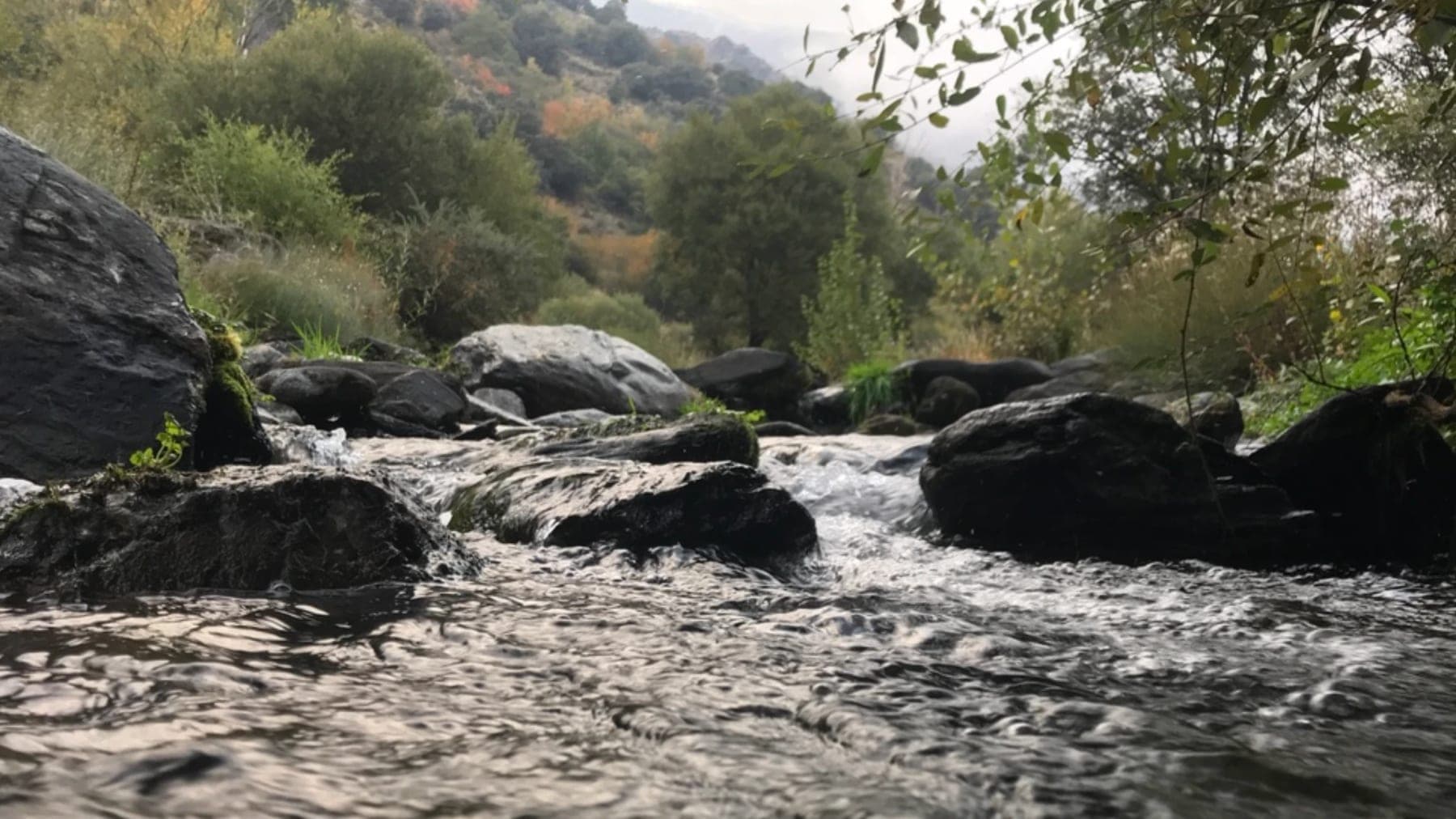
Fly fishing for barbel in Spain is one of European angling's best-kept revelations. These bottom-grubbing cyprinids — dismissed by the trout establishment as coarse fish unworthy of a fly rod — turn into surface-feeding predators in summer, cruising the shallows of gin-clear rivers like tailing permit on a tropical flat. The comparison to saltwater sight fishing is not hyperbole. Standing on a gravel bar in the Pyrenean foothills, watching a three-pound barbel accelerate from the bottom to inhale a foam beetle from the surface, produces the same jolt of adrenaline that bonefishing delivers at considerably greater expense.
Spain's lowland rivers, Pyrenean streams, and Extremaduran flats offer world-class sight fishing from April through November, at a fraction of the cost of any guided trout or salmon experience. The fish are wild, the rivers are beautiful, and the fighting power of a barbel — a dogged, bulldogging resistance that bends a seven-weight properly — makes stocked rainbow trout feel like a different sport entirely.
This is not niche. It is not a curiosity. It is genuine, technically demanding fly fishing for wild fish in clear water, and it deserves the same attention that Rise Daisy gives to any other form of the craft.
Barbel Species: Know What You're Fishing For
Four species across Iberia, each in its own drainage — Pyrenean haasi, western bocagei, southern comizo, and the common barbel in between.
Iberian barbel taxonomy matters because the species vary in size, habitat, and behaviour, and the tackle and tactics should match. Barbus haasi — the Pyrenean barbel — inhabits the Ebro tributaries (Gállego, Cinca, Alcanadre, upper Aragón) and the Pyrenean foothill rivers. These are the smallest Iberian barbel, averaging one to three pounds, in fast, clear, rocky water. They respond well to dry flies and Euro nymphs and can be fished on trout-weight tackle.
Luciobarbus bocagei — the Iberian barbel — is the widespread species of western and central Iberia, found in the Duero, Tajo, and Mondego drainages. Medium-sized, three to six pounds typically, in a range of water types from clear streams to larger rivers. The core sight-fishing species on many guided barbel trips.
Luciobarbus comizo — the comizo barbel — is the giant of Iberian barbel fishing, endemic to the Tajo and Guadiana drainages in Extremadura. Fish of eight to twelve pounds are realistic targets, with specimens exceeding fifteen. These are the fish that demand heavy tippet and a seven or eight weight rod.
Barbus barbus — the common barbel — is native to central Europe but has been introduced into some Spanish river systems. It is also the species found in English rivers (Thames, Severn, Hampshire Avon, Kennet) and French rivers (Rhône tributaries, Dordogne), where barbel fly fishing is an emerging discipline.
In Asturias and Cantabria, Luciobarbus graellsii inhabits some of the larger river systems. The northern barbel populations are less developed as fly fishing destinations than the Aragón or Extremadura fisheries, but they exist, and for Rise Daisy's Asturian users they represent local opportunity worth exploring.
Why Barbel Eat Flies
Warm water suspends their bottom feeding. Beetles, ants, and hoppers tumbling from arid banks trigger surface grabs that would startle a trout angler.
The summer shift is what makes barbel fly fishing possible. As water temperatures climb through eighteen to twenty-six degrees and flows drop, barbel suspend their normal bottom-grubbing behaviour and become increasingly responsive to surface food. Terrestrial insects — beetles, ants, grasshoppers, and emerging chironomids — tumbling from arid banks into warm, low water trigger surface grabs that are explosive and unmistakable. Sight-fishing to three-to-ten-pound barbel in gin-clear shallows is not a lesser version of trout fishing. It is a different and often more adrenaline-charged version of the same skill.
Post-spawn aggression peaks in June and July. Barbel that have just spawned feed aggressively to recover condition, and multiple fish competing for food in shallow water create a feeding frenzy that the dry-fly angler can exploit. Mudding tails — barbel nosing into gravel with their tails fanning the surface — signal carp-style bottom feeding and respond to nymphs dropped into the feeding zone.
Barbel are warm-water fish with a thermal tolerance far above trout. They feed actively at twenty-two to twenty-six degrees and only become stressed above twenty-eight to thirty degrees in prolonged heat. The welfare concern is oxygen depletion in very warm, slow water rather than thermal stress per se. Fight fish quickly and revive thoroughly in summer, but do not assume that a warm day means the fishing is off — for barbel, warm is ideal.
Prime Waters: Spain and Beyond
Pyrenean foothill rivers, Extremadura flats, Andalusian tributaries — and barbel on the fly in France and England too.
Aragón and the Pyrenean foothills are the heartland of Spanish barbel fly fishing. The Ebro tributaries — Gállego, Cinca, Alcanadre, and the Aragón river below Yesa — hold Barbus haasi in fast, clear water that fishes like a trout stream with bigger, harder-fighting quarry. The season runs from June through September, with dry-fly sight fishing at its peak in July and August. An Aragón regional licence or the intercommunity pass covers most water.
Extremadura's Tajo and Guadiana drainages hold the comizo barbel — the giants. The fishing here is flats-style: shallow, clear water over sand and gravel, with fish visible at distance. Dry fly and sight-nymphing from April through November. The Jerte, Tiétar, and Alagón rivers and their tributaries are the key venues. This is where the bonefish comparison holds most literally — tailing fish on shallow flats, stalked on foot.
Andalusia's Guadalquivir tributaries — the Guadalimar, Guadalbullón, and Jándula — offer sight-nymphing and dry-fly fishing in their clear upper reaches, alongside streamer fishing in the deeper pools. The southern rivers fish earlier and later in the season than the Pyrenees.
Beyond Spain: the Rhône tributaries and Dordogne system in France hold common barbel that respond to the same tactics. In England, Barbus barbus in the Thames, Severn, Hampshire Avon, and Kennet takes flies — particularly the smaller fish in clear chalk stream tributaries where the overlap with trout water creates genuine dual-species sight-fishing opportunities.
Dry Fly: The Beetle and the Plop
Foam beetles, ants, and hoppers — the surface method that makes barbel fly fishing famous. But it is not the only method, and not always the right one.
The foam beetle is the iconic barbel fly, and for good reason. A black or brown foam beetle on a size eight to twelve hook, cast ahead of a visible fish in shallow water, produces takes that are violent, confident, and addictive. The fish accelerates from the bottom, opens its underslung mouth, and inhales the fly from the surface with a distinctive head-down lunge. Ants on size fourteen to sixteen and hoppers on size ten fill out the terrestrial box.
The "plop" presentation — landing the fly with a deliberate splat that creates a disturbance on the surface — works when barbel are actively feeding in shallow water and competing with each other. Post-spawn fish in June and July, multiple barbel on a flat, warm aggressive conditions. The noise triggers investigation and often an immediate take. But on pressured fish, educated fish, or fish holding in slower or deeper water, the splat spooks them. The standard approach on many Spanish barbel rivers is an upstream presentation with a gentle landing, matching the natural drift of a beetle blown onto the water. Use the plop when conditions demand it. Default to the quiet cast.
Dry fly accounts for thirty to forty per cent of barbel caught on fly in typical conditions — the exciting, visual, peak-conditions fishing that earns the headlines. Nymphing accounts for the rest in high water, coloured water, and early or late season when surface feeding is inconsistent. Carry both approaches and let the fish decide.
Nymphing: The Consistent Producer
Euro nymph through the pools, bounce the bottom, watch the sighter. This is what catches barbel when the surface is quiet.
Nymphing produces the majority of barbel on most Spanish rivers across the season. The method is identical to trout Euro nymphing: heavy point fly, tight-line contact, sighter tracking. Barbel feed on the same subsurface food as trout — chironomid larvae, caddis pupae, freshwater shrimp — and they intercept it in the same current seams and pool heads.
Flies: size twelve to fourteen hare's ear nymphs, chironomid larvae, rubber-legged stonefly patterns. The Perdigon works as well on barbel as it does on trout — the fast sink rate gets the fly to the bottom where barbel feed, and the tungsten bead provides the weight for tight-line contact. Fish three-to-six-foot pools with a high-stick drift, bouncing the point fly along the bottom.
In high water or after rain, nymphing is often the only productive method. The barbel retreat to deeper lies, the surface food disappears, and the fishing becomes a depth-and-contact exercise. An eleven-foot three-weight Euro nymph rod with an eighteen-foot leader covers the water. The take registers as a stop or pull on the sighter — lift immediately.
Streamers: Dawn, Dusk, and Dirty Water
Olive marabou stripped across the flats. The method for aggressive fish and conditions that defeat the dry fly.
Streamer fishing for barbel fills the gaps that dry fly and nymph cannot reach. Dawn and dusk, when barbel are most aggressive and least wary. Coloured water after rain, when visibility rules out sight fishing. Deeper pools where barbel hold mid-water and respond to a mobile fly that triggers a predatory chase.
Flies: olive or brown marabou streamers on size eight to ten hooks with a lead or tungsten bead. Black coneheads for murky conditions where the silhouette needs to be strong. Strip retrieve across flats and through pool tails — short, sharp strips with pauses. Barbel take streamers with a solid thump, often following for several metres before committing. The take is unmistakable.
Reading Spanish Barbel Water
Tail flashes, white chins nosing gravel, mud puffs in the shallows — the barbel telegraph their position if you know what to look for.
Barbel water reads differently from trout water because the fish occupy different lies and feed with different body language. Polarised glasses are not optional — they are the primary tool. Without them, the fishing does not exist.
Tailing and mudding fish on shallow flats — one to three feet of water over sand or gravel. The tail fans the surface, and mud puffs rise from the bottom as the fish grubs through the substrate. This is the premium sight-fishing scenario: visible, feeding, approachable. Foam beetle or a nymph dropped into the feeding zone.
Patrolling fish on pool margins — barbel cruising a beat along the edge of deeper water, moving steadily, intercepting food drifting in the current. Nymph drift ahead of the fish's path. Let the fly sink to the bottom before the fish arrives.
Cruising fish in current seams — barbel holding in the faster water between pools, positioned where the flow concentrates food. Streamer swing or a heavy nymph bounced through the seam.
Post-spawn fish at river mouths and tributary junctions — June and July, when recovering barbel gather in groups and feed competitively. This is when the plop presentation and the hopper twitch produce the most aggressive takes.
Tackle: Matched to the Species
A five-weight for Pyrenean haasi. A seven-weight for Extremadura comizo. The tackle follows the fish.
Pyrenean barbel (Barbus haasi) averaging one to three pounds: a nine-foot five or six weight rod with a floating line. Leaders of nine to twelve feet, tapered to three-X or four-X fluorocarbon — not dissimilar from heavy trout nymphing. These fish are taken in fast, rocky water where the trout-weight outfit provides the sensitivity for detecting takes on the nymph.
Extremadura comizo and large Luciobarbus bocagei — fish of five to twelve pounds in open water: a nine-foot seven or eight weight rod. Leaders of seven-and-a-half to nine feet, nought-X to two-X tippet. Loop knots on the fly for freedom of movement. A large-arbor reel with a reliable drag — comizo barbel make sustained runs that test the tackle. This is the outfit that earns the bonefish comparison.
Lines: weight-forward floating for ninety per cent of the fishing. An intermediate for streamer work in deeper pools. No sinking lines, no wire traces — barbel fishing happens in the top half of the water column on clear, wadeable rivers. Barbless hooks throughout. Forceps for quick unhooking. Rubber-mesh net for the larger fish.
The Barbel Year
Spring nymphs, summer sight fishing, autumn streamers — the season follows the temperature and the flow.
Spring — April and May: spawning fish are aggressive but concentrated. Nymph and streamer fishing in the pools as the water warms through fifteen degrees. The dry-fly season has not yet started, but the subsurface fishing can be excellent, particularly in Extremadura where the season starts earlier than the Pyrenees.
Summer — June through September: the peak. Low water concentrates fish in visible lies. Dry-fly sight fishing reaches its best from late June through August when water temperatures sit between twenty and twenty-six degrees and terrestrial insects are abundant. Post-spawn aggression peaks in June and July. This is when to plan the trip.
Autumn — October and November: the water cools and the surface feeding slows. Streamers before the winter sulk. Barbel feed up before the cold months, and the fishing can produce the largest fish of the year on the nymph in deeper pools.
Conservation: Native Populations Under Pressure
Iberian barbel are endemic species found nowhere else. Every fish returned in good condition matters.
Iberian barbel species are endemic — found nowhere else on earth. Barbus haasi in the Pyrenees, Luciobarbus comizo in the Tajo and Guadiana, Luciobarbus bocagei across western Iberia. They evolved in these drainages over millennia, adapted to the specific conditions of each river system, and their genetic integrity is threatened by habitat degradation, water abstraction, and in some cases the introduction of non-native fish species.
Catch and release is voluntary on most Spanish barbel waters but it should be standard practice. Barbless hooks, rubber-mesh nets, minimal handling, and thorough revival. In summer, fight fish quickly on appropriate tackle — a barbel played to exhaustion on a three-weight rod in twenty-five-degree water may not recover. The tackle should match the fish, and the fight should be won in minutes, not in a protracted struggle that entertains the angler at the fish's expense.
Support the fisheries that maintain access and habitat. The guided operations on the Ebro tributaries and in Extremadura are doing more to promote barbel fly fishing — and the conservation awareness that comes with it — than any regulation. The fish are worth the effort.
Your Spanish Barbel Day
Dawn reconnaissance, beetle bombs on the flats, midday pools, dusk streamers. The rhythm of a Spanish barbel river.
Dawn: walk the flats with polarised glasses. Glass the shallows for tailing fish, mud puffs, and cruising barbel. Note the lies, the depth, the current speed. Do not cast yet. The fish you can see now are the fish you will target all morning.
Morning: foam beetle or hopper, cast ahead of visible fish on the flats. Start with a gentle presentation. If the fish are competitive and aggressive — multiple barbel on a flat, post-spawn conditions — switch to the plop. Rotate fly colour and size if refusals occur. Each fish that refuses has told you something.
Midday: when the surface quiets, switch to the Euro nymph rig and work the pools. High-stick through the three-to-six-foot water, bouncing the point fly along the bottom. The barbel that were visible on the flats at dawn are now holding deeper, and the nymph reaches them.
Late afternoon: return to the flats as the light drops and the terrestrial activity increases. The last two hours before dark can produce the best dry-fly fishing of the day.
Dusk: streamers through the pool tails and across the flats. The barbel that refused the beetle in bright light will chase a streamer in fading light with an aggression that makes the day's final fish the one you remember.