The Case for Coarse Fly Fishing
The same entomology, ten minutes from home, and fish that fight harder than most anglers expect.
There is a quiet revolution happening on canals, gravel pits, and suburban rivers that most fly fishers have not noticed. Coarse fish — roach, chub, perch, rudd, carp, tench, dace — eat the same invertebrates that trout do: chironomid larvae and pupae, freshwater shrimp, caddis, terrestrial beetles and ants. They respond to the same fly patterns, presented with the same techniques, and they live within ten minutes of ninety per cent of UK anglers. The fishing is not a lesser version of trout fishing. It is a different and often excellent version of the same craft.
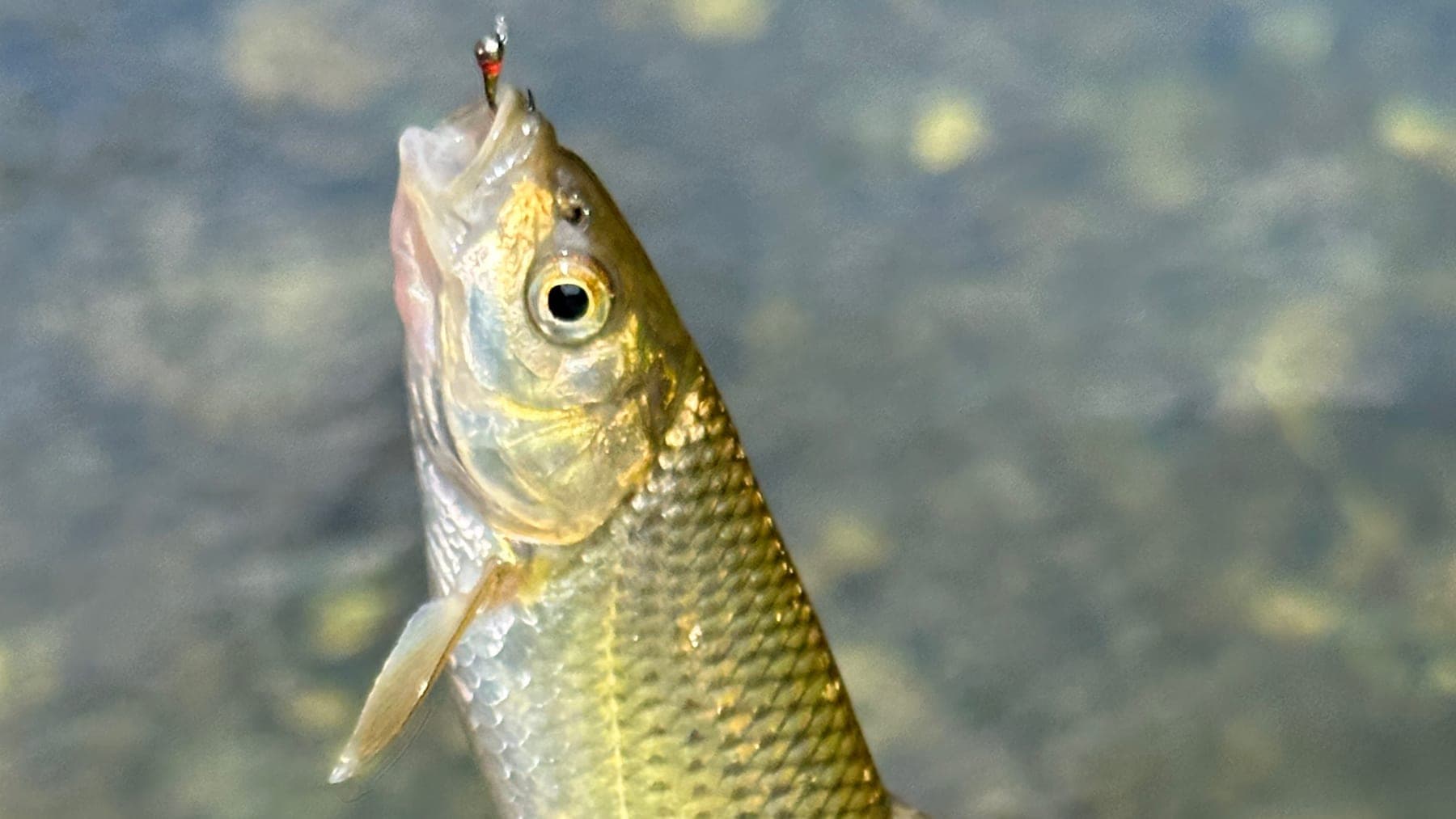
A two-pound chub under an overhanging alder, taken on a foam beetle drifted under the branches, fights with a conviction that would surprise anyone who thinks fly fishing requires a stocking lorry and a day ticket. A shoal of rudd sipping midges from the surface of a Norfolk broad at dusk is as demanding of presentation as any chalk stream riser. A ten-pound common carp, sight-fished on a small nymph in a clear gravel pit, will test your tackle, your nerves, and your understanding of fish behaviour in ways that stocked rainbows simply cannot.
This is not a rebellion against trout fishing. It is an expansion of it — taking the skills, the observation, and the entomological understanding that Rise Daisy teaches and applying them to water that is closer, cheaper, and often more available than the nearest trout stream. The fly rod works. The insects are the same. The fish are waiting.
Why Coarse Fish Eat Flies
They gorge the same invertebrates trout do — chironomids, caddis, shrimp, terrestrials. The fly matches their feeding perfectly.
Coarse fish are not "dumb." They are opportunistic omnivores with a feeding strategy that overlaps substantially with trout. Roach and rudd cruise the upper water column sipping chironomid pupae and spent midges from the film. Chub hold under cover and intercept terrestrial insects — beetles, ants, caterpillars — drifting downstream. Perch patrol weed edges hunting fry and small crustaceans. Carp and tench grub through the silt for bloodworm, shrimp, and snails. The food chain is the same. The fly rod matches it.
Surface opportunities exist on warm, calm evenings and windy days when terrestrials blow onto the water — but they should not be assumed. Subsurface feeding dominates most of the time for most coarse species. The angler who approaches coarse fly fishing with the same observation and depth-awareness that reservoir buzzer fishing demands will catch fish consistently. The angler who assumes dry fly will work because it is summer will spend a lot of time casting to nothing.
Roach and Rudd: The Surface Sippers
Size eighteen CDC midges, twelve-foot leaders, and the patience to wait for the sip.
Roach and rudd are the entry point for coarse fly fishing and often the most technically demanding. Both species feed in the upper water column — rudd especially so — sipping chironomid pupae, spent midges, and small terrestrials from the surface film with a delicacy that rivals any chalk stream trout.
Flies: size sixteen to twenty CDC midges, Griffith's Gnats, shuttlecock emergers. The patterns are identical to reservoir buzzer fishing; the difference is the scale of the fish and the finesse required. Leaders of twelve feet minimum, tapered to five-X or seven-X fluorocarbon. A three or four weight rod — not a six — because the presentation must be delicate and the fish spook at the impact of a heavy fly line.
Method: watch for sipping rises in the surface film, typically at dawn and dusk on canals, slow rivers, broads, and estate ponds. Short, precise casts. Static presentation or the tiniest twitch. Takes are subtle — the fly disappears into a small ring. Lift gently. Five to ten fish per hour is realistic in good conditions; on an exceptional evening, more.
Chub: Under the Alders
A foam beetle dead-drifted under overhanging cover. The chub that takes it will run like something twice its size.
Chub are the most aggressive surface feeders in the coarse fish world, and they hold in the places that make fly fishing interesting: under overhanging alders and willows, tight to bridge pillars, in the slack water behind weirs where terrestrial insects collect. They are substantial fish — two to four pounds on many rivers — and they fight with a dogged, head-shaking power that bends a five-weight rod properly.
Flies: foam beetles and ants on size ten to twelve, small Woolly Buggers, Elk Hair Caddis. Terrestrial patterns are the mainstay. The reliable method is a natural dead drift under cover — cast upstream of the overhanging branches and let the fly drift into the shadow where the chub holds. Chub will occasionally chase a dragged fly, but the consistent approach is the drag-free drift that arrives in the fish's window without announcement.
Fish river margins, weir pools, and bridge pools on five or six weight gear with a floating line. Windy days push terrestrials onto the water and bring chub to the surface. Warm afternoons in summer are the peak window. Approach quietly — chub are wary despite their aggression, and a careless footfall on the bank will clear a swim in seconds.
Perch: The Striped Predators
Fry patterns stripped over weed beds. Dawn and dusk aggression peaks. The boldest predator in stillwater.
Perch are the natural entry point for predator fly fishing. They patrol weed edges in packs, hunting fry, small crustaceans, and damsel nymphs with a predatory efficiency that makes them responsive to stripped flies throughout the season. Dawn and dusk are the peak feeding windows, though perch will take mid-morning in coloured water or on overcast days.
Flies: size ten to fourteen Clouser minnows, zonkers, pearl fry patterns, and small Game Changers. A six or seven weight rod with a floating or intermediate line covers most situations. Strip retrieve over weed beds and along drop-offs. On waters with known pike populations, a short section of fifteen-to-twenty-pound fluorocarbon above the fly provides insurance without the stiffness of wire.
Perch take with a distinctive thump — a solid, confident grab that differs from the tentative pluck of a roach. They fight with short, powerful dives. Lakes, canals, and gravel pits all hold perch, and they are often the first fish to respond to a fly in mixed coarse fisheries.
Carp: Sight-Fishing the Giants
A ten-pound common carp on a six-pound tippet, sight-fished in a clear gravel pit. This is coarse fly fishing at its most absorbing.
Carp fly fishing is the discipline that has done most to legitimise the coarse fly rod, and at its best it is as technical and demanding as any form of fly fishing. The core method is sight-nymphing: locating individual fish or small groups in clear water — cruising, tailing, or mudding — and presenting a small weighted nymph into their path. A carp nymph on a size twelve or fourteen with an orange bead and a mobile tail, dropped ahead of a cruising fish so it sinks into the feeding zone before the fish arrives. The take is visible: the fish tilts down, the white of the mouth opens, and you lift.
The tackle must be robust. A seven or eight weight rod, eight-to-twelve-pound leader, and the nerve to let a double-figure fish run into backing without panicking. Carp fight with sustained, bulldogging power — not the acrobatics of a trout but a relentless weight that tests the rod, the knots, and the angler's patience.
Gravel pits and estate lakes with reasonable clarity are the venues. The biscuit trick — floating dog biscuits to get fish feeding on the surface, then presenting a foam imitation — is a fun and effective secondary method for summer evenings, but sight-nymphing to individual fish is the heart of serious carp fly fishing. Crucian carp, smaller and golden, respond to the same approach in shallow estate ponds and are among the most refined coarse fly fishing targets available.
Tench, Bream, and Dace
Tench tailing in the shallows, bream nosing through silt, dace racing in the riffles — each has its method.
Tench are the overlooked gem of coarse fly fishing. They feed on chironomid larvae, damsel nymphs, and freshwater shrimp in weedy estate lakes and gravel pits, and sight-fishing to tailing tench in shallow water on a summer morning is one of the most absorbing ways to spend a fly rod session. Small olive or red nymphs on a size fourteen, presented ahead of the feeding fish and allowed to sink to the bottom. The take is slow and deliberate — the tench inhales the fly and moves off with it. A five or six weight rod with a floating line and a long leader.
Bream are less elegant but they do take nymph patterns when feeding in shallow water, particularly in spring when they move into the margins. A team of small buzzers or bloodworm patterns fished static or on a very slow retrieve over silty bays produces on the right day. The fight is minimal but the fishing has a meditative quality.
Dace are river fish — small, fast, and willing. They shoal in riffles and runs on clean gravel rivers and take small nymphs and soft hackles with an enthusiasm that makes them ideal quarry for practising Euro nymphing and across-and-down spider techniques. A four weight rod, a pink shrimp nymph or a Partridge and Orange on a size sixteen, and a willingness to accept that most of the fish will be six inches long. They are perfect practice for river trout fishing on the same water.
Pike on the Fly: A Note
The apex predator of British freshwater. A discipline that deserves its own guide — and will get one.
Pike fly fishing is an established discipline with its own tackle (nine or ten weight rods, wire trace, large articulated streamers), its own season (autumn and winter, when the pike are in the shallows), and its own following. It is not covered in depth here because it deserves its own playbook — the methods, the patterns, and the water-reading are substantially different from the lighter-tackle coarse fly fishing described above.
What belongs here is the acknowledgement: pike are superb fly rod fish. A ten-pound pike on a nine-weight, taken on a six-inch articulated streamer stripped through a weedy bay on a November morning, is one of British freshwater fishing's great experiences. If your gravel pit or canal holds pike, carry a heavier rod and a wire trace alongside your coarse tackle. The opportunity may present itself when you are fishing for perch, and declining it would be a shame.
Reading Coarse Water
Different species, different lies, different times — but the observation skills transfer directly from trout fishing.
The reading of coarse water uses the same skills as trout fishing but applies them to different structure and different behaviour. Roach and rudd show as tiny sipping rings in the surface film, concentrated in sheltered corners of canals and broads at dawn and dusk. Chub betray themselves with bow waves under overhanging cover, particularly on warm afternoons when terrestrials are falling. Perch flash their distinctive stripes as they chase fry along weed edges at first light.
Carp are the most visible: tail-fanning in the shallows, sending up mud puffs as they grub through silt, cruising with dorsal fin cutting the surface on warm days. Tench produce streams of tiny bubbles as they feed on the bottom, popping through the surface like a trail of breadcrumbs that marks the fish's path. Bream roll on the surface at dawn — a slow, porpoising movement that reveals their position.
The universal principle: spend the first ten minutes watching, not casting. The fish that you can see, or whose feeding activity you can read from the surface, are the fish you can catch. Blind casting on coarse fisheries is rarely productive. Observation is the skill that transfers most directly from trout fishing, and it is the skill that separates the coarse fly fisher who catches from the one who does not.
The Coarse Fly Year
Spring nymphs, summer dries and terrestrials, autumn fry patterns, winter deep and slow.
Spring: the coarse season opens on the sixteenth of June on rivers, but stillwaters fish year-round. Post-spawn roach and perch feed aggressively in the margins. Nymphs and shrimp patterns on a slow retrieve over weed beds. Tench begin tailing in shallow water as the temperature climbs through twelve degrees.
Summer: the peak for surface fishing. Roach and rudd sip midges at dusk. Chub take terrestrials under cover. Carp cruise and can be sight-fished in clear water. Perch feeding is steady but concentrated at dawn and dusk. Evenings on canals and broads produce the best dry-fly fishing for coarse species.
Autumn: the predators switch on. Perch aggression peaks as they gorge on fry before winter. Pike move into the shallows. Chub feed hard on the last terrestrials. Carp continue in warmer autumns but slow as the temperature drops below ten degrees.
Winter: deep and slow. Most coarse species become lethargic below seven degrees. Small bloodworm and buzzer patterns fished almost static on sinking lines. Perch remain active longer than most species. Pike are at their best through the winter months. The fishing is quiet, cold, and occasionally extraordinary.
Tackle: Lighter Than You Think
A three-to-five-weight for roach, rudd, and dace. A seven-to-eight-weight for carp. Presentation matters more than power.
The default coarse fly rod is lighter than most anglers assume. A nine-foot three or four weight with a floating line covers roach, rudd, dace, and tench — species that require delicate presentation and spook at the impact of a heavy fly line. A five or six weight handles chub and general-purpose work. A seven or eight weight is reserved for carp, where the fish's power demands backbone and the leader strength to match.
Lines: floating for surface and near-surface work, which covers eighty per cent of coarse fly fishing. An intermediate for perch and deeper nymphing. Leaders of nine to twelve feet, tapered to four-to-eight-pound fluorocarbon depending on the target. Fine tippet for roach (seven-X); heavy for carp (eight to twelve pounds).
The fly box is simple. Small buzzers and CDC midges in sizes sixteen to twenty for roach and rudd. Foam terrestrials — beetles, ants — in sizes ten to twelve for chub. Clouser minnows and zonkers in sizes ten to fourteen for perch. Carp nymphs with bead heads in sizes twelve to fourteen. A dozen patterns covers the fishing. Barbless hooks throughout — coarse fish are returned, and barbless makes the unhooking quick and clean.
Starting Local: Where to Fish
Canals are free, rivers cost five pounds, and the gravel pit down the road holds carp that would test any angler.
The great advantage of coarse fly fishing is proximity. Canals are free to fish with a rod licence and hold roach, rudd, perch, and pike within walking distance of most urban centres. Rivers cost five to ten pounds for a day ticket from the local angling club and hold chub, dace, and perch in every county in England and Wales. Gravel pits — managed by clubs or as commercial fisheries — cost ten to twenty pounds and hold carp, tench, and perch in clear water that allows the sight-fishing that makes the discipline worthwhile.
Start with what is closest. The canal behind the retail park, the slow river at the edge of town, the gravel pit that the local club manages. These are not glamorous waters. They do not feature in magazine articles or guide brochures. But they hold fish that eat flies, respond to observation, and fight on a fly rod with a sincerity that has nothing to do with the postcode. The skills you develop on a suburban canal — reading the water, matching the food, presenting with care — transfer directly to every other form of fly fishing. And the fishing is ten minutes away.